The seventh story in my new collection, Thin Places in Hard Concrete, was inspired by reading about Henry VIII’s colossal Nonsuch Palace.
I first learned about Nonsuch from the 1945 book British Architects and Craftsmen by Sacheverell Sitwell, which I read in a yellowing Pan paperback edition from 1960. A chapter about Tudor architecture includes a murky line illustration of Nonsuch (or Nonesuch) along with this attention-grabbing line:
Unfortunately the most conspicuous building of the age has been destroyed. This was the palace of Nonesuch in Surrey.
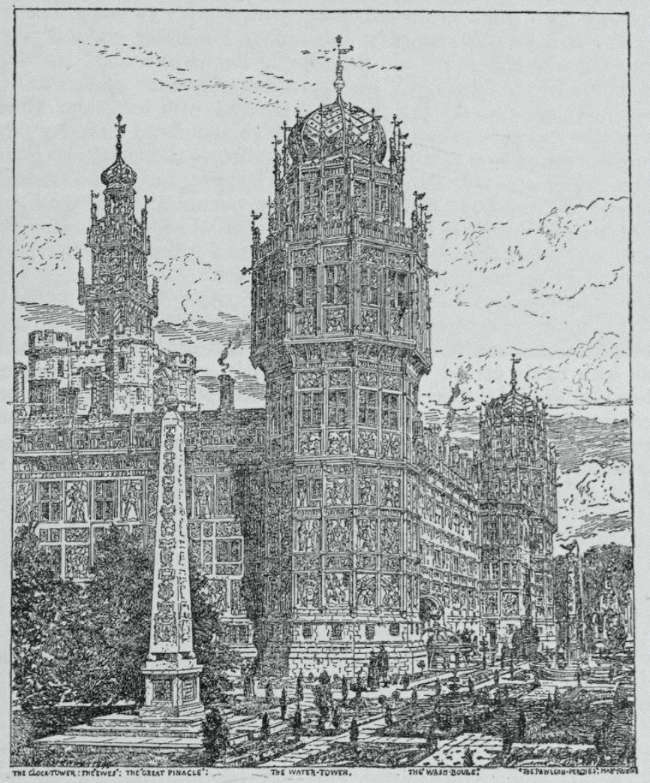
I was astonished to discover that a palace bigger and more gorgeous than Hampton Court had once existed but was allowed to be demolished, with its constituent parts sold off as building materials to pay the gambling debts of Barbara, Countess of Castlemaine, in the 17th century.
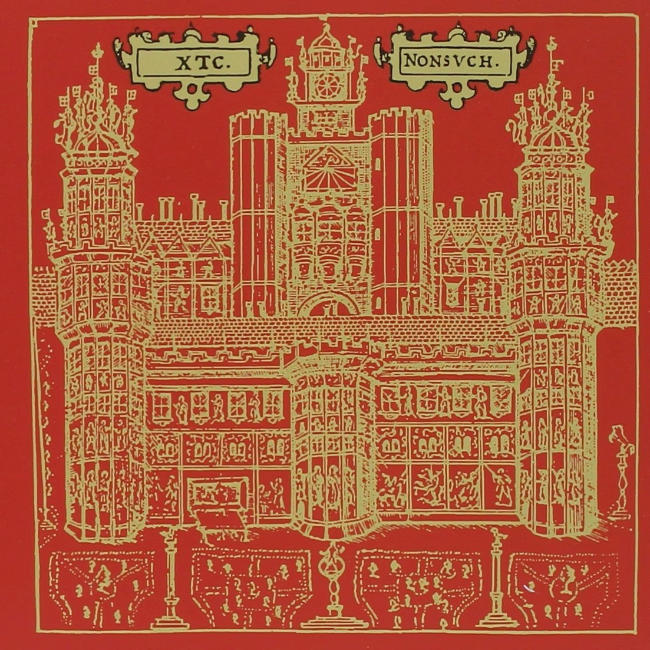
And, yes, I knew about the XTC album Nonsuch but, honestly, I just thought it was a fairy tale, or something Andy Partridge had invented, along the lines of Neverland or Erewhon.
The dissolution of Nonsuch got me thinking about whether it’s the house that’s haunted or the site where the house stands. Would a ghost want to stay in place, perhaps cut off at the knees or floating in dead space? Or would they stick with the bricks, mortar, beams and panelling of the room they once knew?
This is another story that I rewrote completely. An earlier version was a response to a very specific call for submissions from a US magazine. It had a period setting and was pretty much a pastiche of M.R. James. It opened like this:
It was in the late summer of 1853 that a man in an expensive but gaudy waistcoat was shown into the private study of Linden House in Blackheath on the Kent side of London.
‘Do I have the honour of addressing Mr Thomas Nightingale, the noted historian?’ he asked, betraying his class by pronouncing the H in honour.
Nightingale, a man of about fifty with weeping white whiskers, allowed his nod to become a small bow.
‘Indeed you are, sir. And you are–’ Nightingale looked at the visiting card in his hand. It was printed on stiff board of distinct quality. ‘Mr Nathaniel Hanmer, master builder.’
Hanmer attempted to return Nightingale’s bow but the tightness of his waistcoat over his considerable belly prohibited such movement.
‘That I am, sir, and I come to you in particular, sir, as I believe you are the only man in England who will comprehend the value of certain items in my possession.’ He waved a hand from side to side. ‘Excepting, perhaps, Mr Hamilton in Birmingham.’
At the mention of this name, Nightingale’s lean face twitched, briefly.
The story wasn’t accepted and I found myself lumbered with a piece that, though fun to write, didn’t really fit with my other work. I pondered putting it on my blog, and also briefly considered putting together a whole collection of period pieces – which might still happen one day. In the end, though, I pulled up my writing trousers and started a fresh, blank document.
To fit in the collection that was brewing the story needed a contemporary setting, that being a rule I’d set myself. What immediately came to mind was the strange obsessions of tech billionaires (usually space travel, the obvious bastards) and their desire to be seen as contributing to the culture.
A few summers ago I found myself walking a public footpath across the country estate of James ‘Hoovers’ Dyson. It was staked out with signs warning against trespassing and I felt great frustration that one person was able to own such a swathe of beautiful English countryside. The grass is always greener, and it was really green, just over there, where I wasn’t allowed to go. In some vague way, this played into the character of Henry Hamblin – a man who owns so much but is, essentially, Billy-no-mates locked away in a bunker.
That second draft flowed quite naturally, being one of those cases writers sometimes describe where the characters dictate what happens with what feels like minimal need for intervention from the author. The ending took a few attempts, though, and I was ready to ditch the story altogether until, boom, the right structure popped into my head while I was in the bath, nowhere near a notebook.
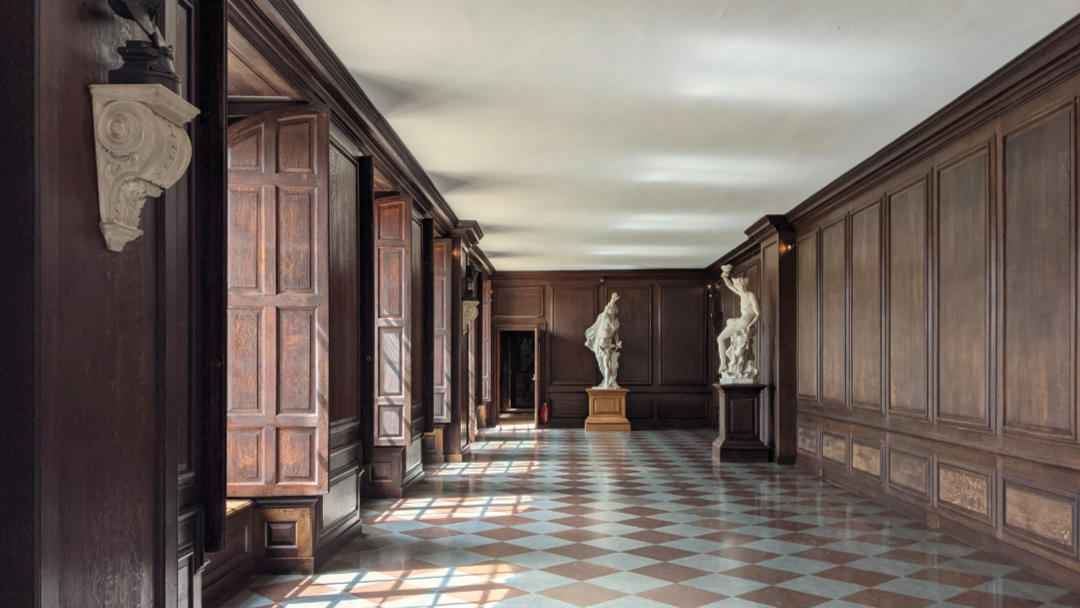
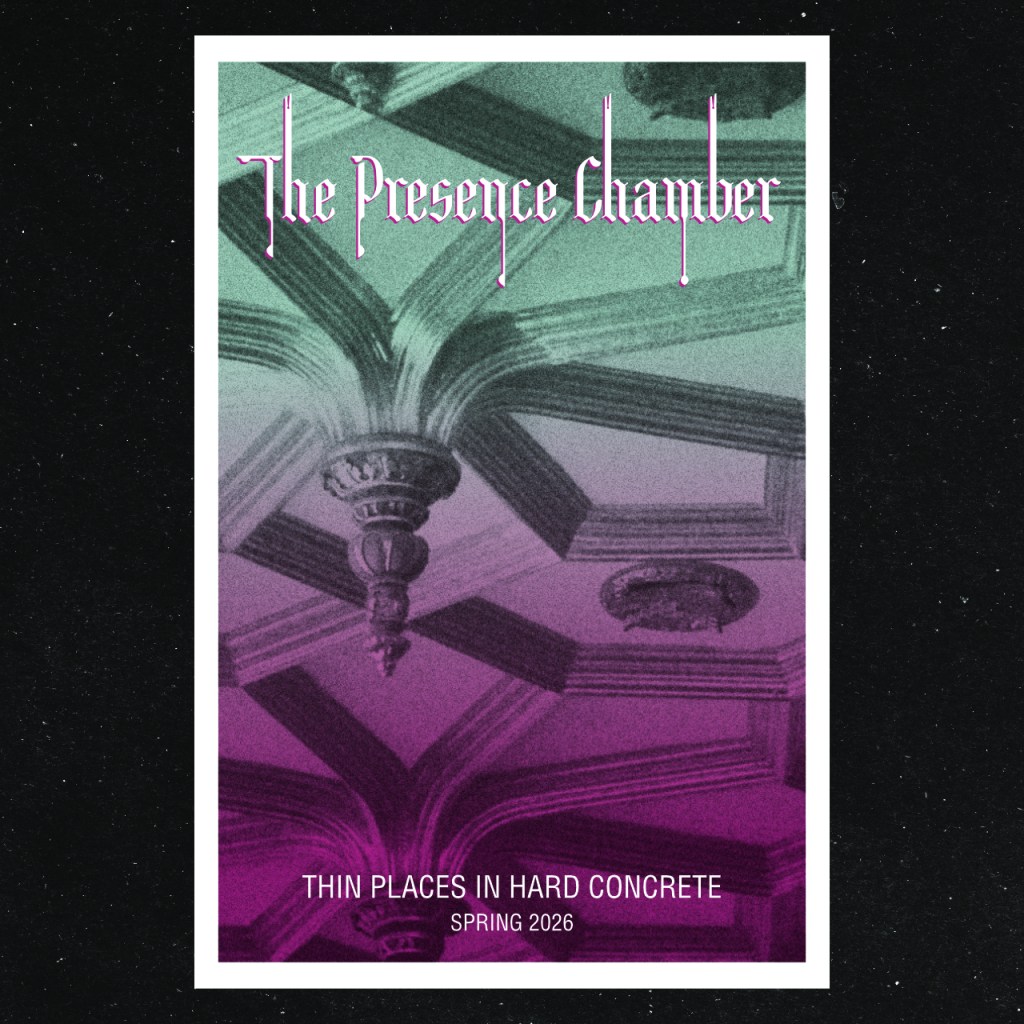
As for the title, that’s something else I picked up from Sachaverell Sitwell’s book. The King’s Presence Chamber was a room outside the throne room where important guests were received. That it also happens to sound like a reference to supernatural occurrences is very convenient for me.
You can buy Thin Places in Hard Concrete as an eBook or paperback from Amazon wherever you are. For starters, here’s where you’ll find it if you’re in the UK or US:
I’ve chosen not to apply digital rights management (DRM) to the eBook file so you can download it as an ePub file or PDF to read on whichever device you like, such as a Kobo.


