This summer I’ve been reading yellowing paperbacks, thinking about extreme heat, and promoting a book.
A little context: this type of blog post is what I decided to do instead of starting a newsletter.
You can subscribe to this blog (enter an email address, get updates when I post) using a widget that, hopefully, you can see at the bottom of the screen.
Or, if you use an RSS reader like Feedly or Readwise Reader, you can add this blog there.
The format was inspired by someone on BlueSky saying:
“I don’t really want to read writing advice from authors… I just want to know what they are reading and thinking and doing.”
Reading yellowing paperbacks
I usually put together a list of the best things I’ve read at the end of each year but I’ve had a run of good ones in the past few months and thought I’d mention them here, now. The following are books that I ‘starred’ in the document I keep as a log:
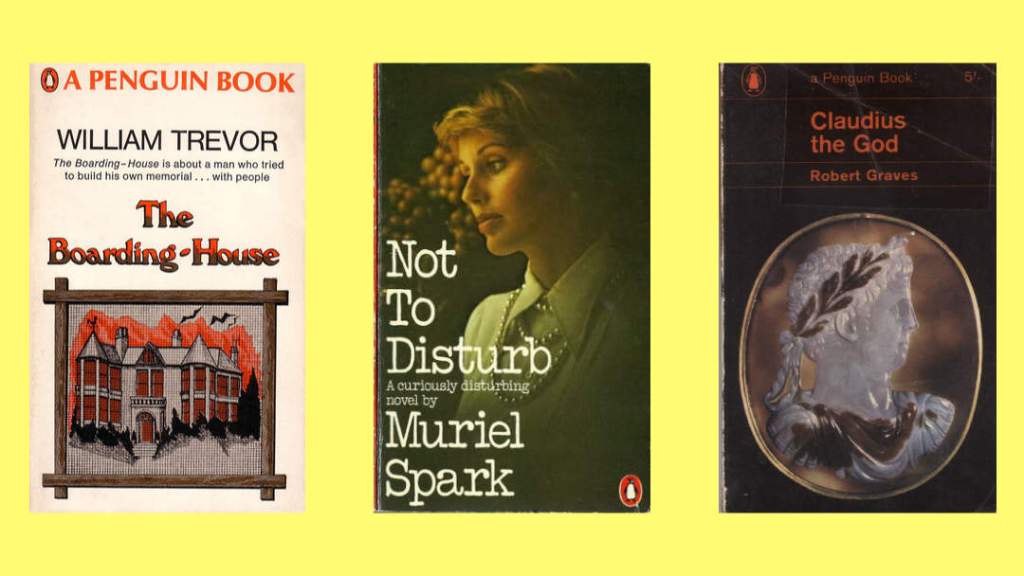
- The Boarding House by William Trevor, 1965 – a weird-adjacent ensemble piece set among the residents of tatty London boarding house hand selected by the odious landlord for maximum drama, and thrown into chaos when he dies.
- Murderland by Caroline Fraser, 2025 – a true crime book (Ted Bundy is the primary subject) that is also a personal memoir and an account of the human and environmental atrocities committed by American industry in the 20th century.
- The Underground Man by Ross Macdonald, 1971 – a private eye thriller that, oddly, seemed to echo Murderland in some of its themes, set in a California plagued first by wildfires, then by apocalyptic rain, where everyone has been badly fucked up by war, capitalism and their own damaged parents.
- City Primeval by Elmore Leonard, 1980 – a police procedural set among homicide detectives in Detroit on the hunt for a killer who gets away with murder because of sheer confidence; it reminded me of Ed McBain, Hill Street Blues and The Wire.
- Claudius the God by Robert Graves, 1934 – the follow up to I, Claudius which depicts the tragedy of the reluctant emperor as he is betrayed by those around him and by his own vanity, which grows like a cancer.
- Not to Disturb by Muriel Spark, 1971 – a novella about the staff at a Swiss chateau prepare themselves to capitalise on the murder they’re certain is about to happen in the drawing room; again, weird-adjacent, perverse, and (ironically) disturbing.
A book I did not click with in the end was Dark Neighbourhood by Vanessa Onwuemezi. Frankly, I wasn’t always sure what was actually happening or to whom, even if the uncanny atmosphere was often compelling. Onwuemezi is a poet and I guess I ought to have read these stories like poetry, perhaps out loud, with annotations, line by line.
Thinking about extreme heat
I have not coped well with the UK summer and its rolling heatwaves. I’m also aware this doesn’t make me special.
I started out with good intentions, determined not to moan about the weather, and just to adapt as best I could. That worked early on. I dressed differently, even though I hate wearing shorts and hats; I changed my routines, walking and running earlier and later in the day, in shadier spots; I went into the office more, to enjoy the air conditioning; I covered my window at home with a big sheet and kept the blind down all day; I took ice blocks to bed with me.
By August, though, I was not only thoroughly miserable but also utterly depressed about the future. You mean I have to do this every year now? And it will keep getting worse? Yeah, no thanks, I’d like to opt out. All this agonising manifested in a miserable little zine.
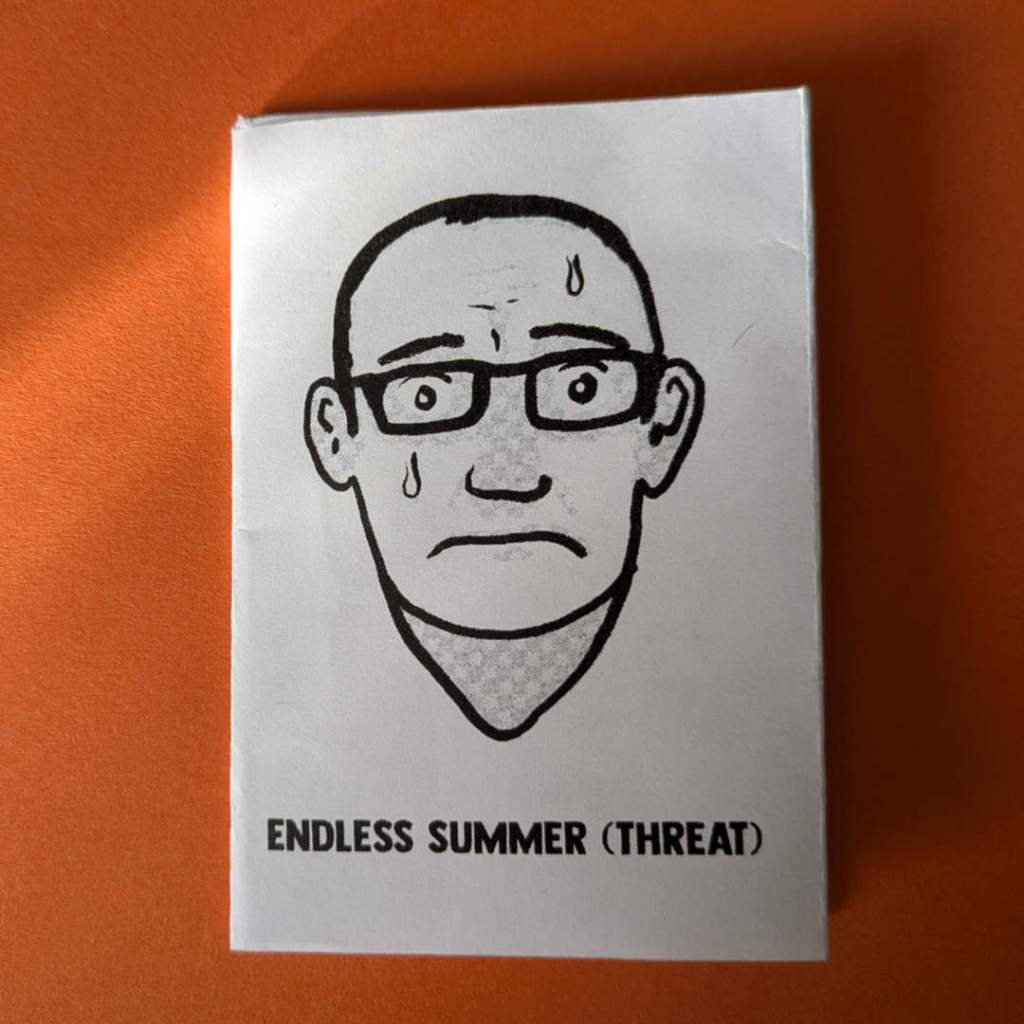
In my more optimistic moments, though, I find hope in how we have collectively begun to adapt. I’ve never seen so many houses with impromptu screens erected over their windows as I did this year, for example.
My friend Jim is one of those people who gets stuff done and studies communities, collectives and cooperatives. In the pub the other night, he told me he and his wife had been working on some simple DIY canopies for protecting houses from the sun which he’s now trying to work out how to turn into some kind of kit, working with a local community centre.
This article by Eric Klinenberg from The New Yorker about European cities adapting to extreme summers was scary and inspiring in equal measure:
I had come to meet Stefano Boeri, a Milanese architect and urban planner known for designing buildings, and occasionally whole metropolitan areas, around trees. First, I wanted to see his signature project, Bosco Verticale: two apartment towers, twenty-six and nineteen stories high, whose deep balconies hold enough trees, shrubs, and flowering plants to fill twelve acres of woods… One of Boeri’s assistants arranged for me to visit a compact one-bedroom apartment that Boeri’s firm maintains on the ninth floor of the taller tower. Its windows framed the skyline through tangles of dark, leathery holm-oak leaves and, disorientingly, thick tree trunks rooted in enormous planters and secured against storms by vertical cables. I slid open the heavy balcony door. Light filtered through the foliage, and soft gusts carried scents of olive trees, sage, and rosemary. The air was markedly cooler than on the sidewalks below. Though the morning was already approaching ninety degrees, I wanted only to sit there, listening to birdsong as the building, and I, breathed.
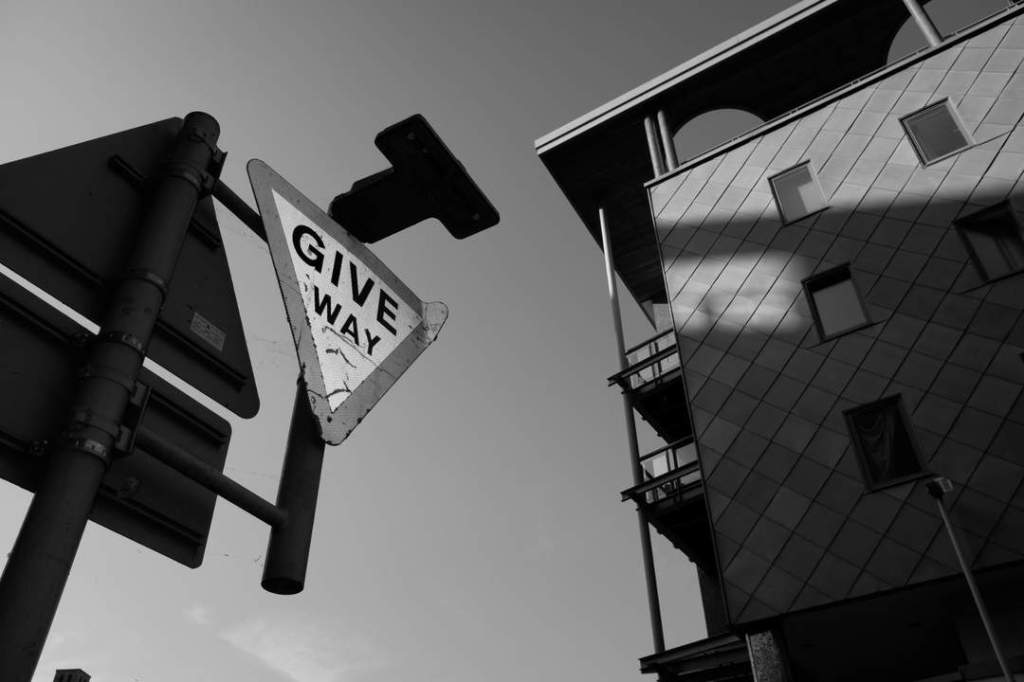
The article lists numerous other schemes and tactics from Paris, Barcelona and Madrid, many of which involve planting more trees and creating more shade. I live in part of Bristol that was redeveloped after the Blitz with wider roads, lots of concrete, and not much greenery. I look at Marsh Lane and think, hmm, if that had a row of trees down the middle, I could probably get from my house to the park without being exposed to direct sunlight for more than a few seconds. And we wouldn’t have the road surface acting like a giant radiator, either.
On the bits of the earth over which I have any direct control – my little front and back yards – I’m going to double down on greenery and encourage my partner to spend as much as she likes on plants in the coming years.
Thinking about other things
I’ve also written a few things here on the blog since my last not-a-newsletter update.
First, I reviewed David Southwell’s book Hookland Fragments Volume One. I’ll be honest, I’m worried I put my foot in it with this one, because everyone seemed to ignore it, including David. Moreau Vazh wrote an excellent and much more detailed review which quite rightly got plenty of attention.
The next post I wrote, however, got rather too much attention, being featured on something called Hacker News and going (by my standards) properly viral. It’s had 8,000 views so far, compared to my usual c.50. It’s something I’ve been working on for a while and is built around a collection of recent news clippings which suggest we are, in fact, living in a science fiction future, even if it feels so mundane that we barely notice it:
“A video has been shared on social media with claims it shows a robotic dog patrolling the grounds of a ‘migrant hotel’. But this is false – while the footage does appear to show a robotic dog, it was filmed in the grounds of a building housing a religious group in Crewe.”
As someone who is trying to write fiction commercially (more on that in a moment) I have to resist the urge to put all my stories on the blog. I love the immediacy of writing something and sharing it directly with readers, rather than waiting months for it to appear in a magazine or book. Every now and then, though, I indulge myself, and give people who like my writing what I hope will be a little treat. This time, it was a piece inspired primarily by J.G. Ballard called ‘Passenger X’, constructed from fragments about hauntings on London Underground:
The escalator is not working which means I have to walk up it, struggling with the deeper than usual steps. I know it isn’t working, I know that when I step off it will just be like reaching the top of a normal staircase. But, still, I feel a lurch, a jolt, and stumble as I transition from one surface to another. In some small way, it feels like a near-death experience. The tube is full of moving parts, and non-moving parts, and tunnels, and closed tunnels, and spaces between the two. They say “mind the gap” but what if that gap is where I need to be?
In professional mode, on LinkedIn, I wrote articles about:
- Avoiding messiah complexes in user-centred design
- Whether making services free might, in its own way, be a barrier to access
- Keeping your designs low-fidelity until all the thinking’s been done
- The value of sitting down and doing the donkey work yourself
- Why you don’t need to be a great writer to be a great content designer
- Content design versus the ‘form of words’
Promoting a book
Writing and publishing a book is one thing. Continuing to find ways to talk about it several months on is another.
To keep Thin Places in Hard Concrete in the conversation, and bring it to the attention of people who might like it, I’ve mostly been finding ways to say something new about it on social media.
That might be sharing a snippet from a new review, like this one:
I have never been disappointed by Newman’s stories, and this was another winner… It is also exactly what the title promises: a set of uncanny stories about the places where reality becomes porous… The best of them balance concept and character perfectly.
…or shouting about endorsements from people like the brilliant writer and film curator Kier-La Janisse.
Regrettably, as my own marketing team, finding these means I have to constantly Google myself, which feels dreadful, and means I have to read the occasional unpleasant comment, too. Mostly, though, people have been extremely positive.
I’ve also done some podcasting including this quite unusual interview with Gerry Fialka. I’m told I came across well but from where I was sitting it was a pretty intense tightrope walk and I needed to lie down in a darkened room afterwards.
There was also this lovely chat with Ross from the General Witchfinders podcast in which we discussed Andrew Michael Hurley’s Starve Acre.
The big news is that, out of all of this, I finally have an agent, namely Isobel Dixon at Blake Friedmann, who got in touch after David Collard hosted me at one of his literary salon events. After a few weeks worrying that it was a scam (there’s a lot of it about) I now have a page on their website which has fully, totally convinced me it is real.
Isobel already has the manuscript of a crime novel I’ve been working on for a few years and we’re discussing what to do with my weird fiction, including what I think might be my first novel in the genre.
Stickers, painting, Polaroids
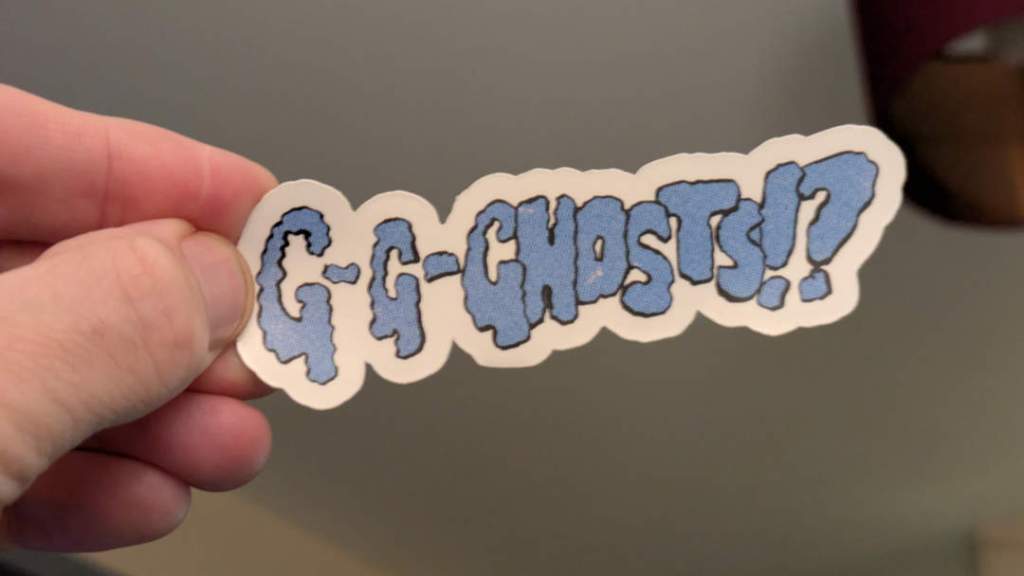
I’m bad at having hobbies that are actually hobbies, that I don’t take too seriously, that I don’t fret about. In recent months I’ve been making stickers, having acquired a CriCut machine. I’m doing this because (a) making stickers is fun and (b) they look cool when I put them on the covers of my journals and notebooks. But am I already worrying about how to make more of them, and make them better, and be more original? Regrettably, yes.
I’ve also started learning how to draw/paint in ProCreate on an iPad with an Apple Pencil. The self-portrait on the cover of the zine above was created that way, and I also made this ‘painting’ of Peter Falk as Columbo that’s not half bad. Crucially, I didn’t trace it; I had a photo open as a reference and painted this in separate window, from scratch.
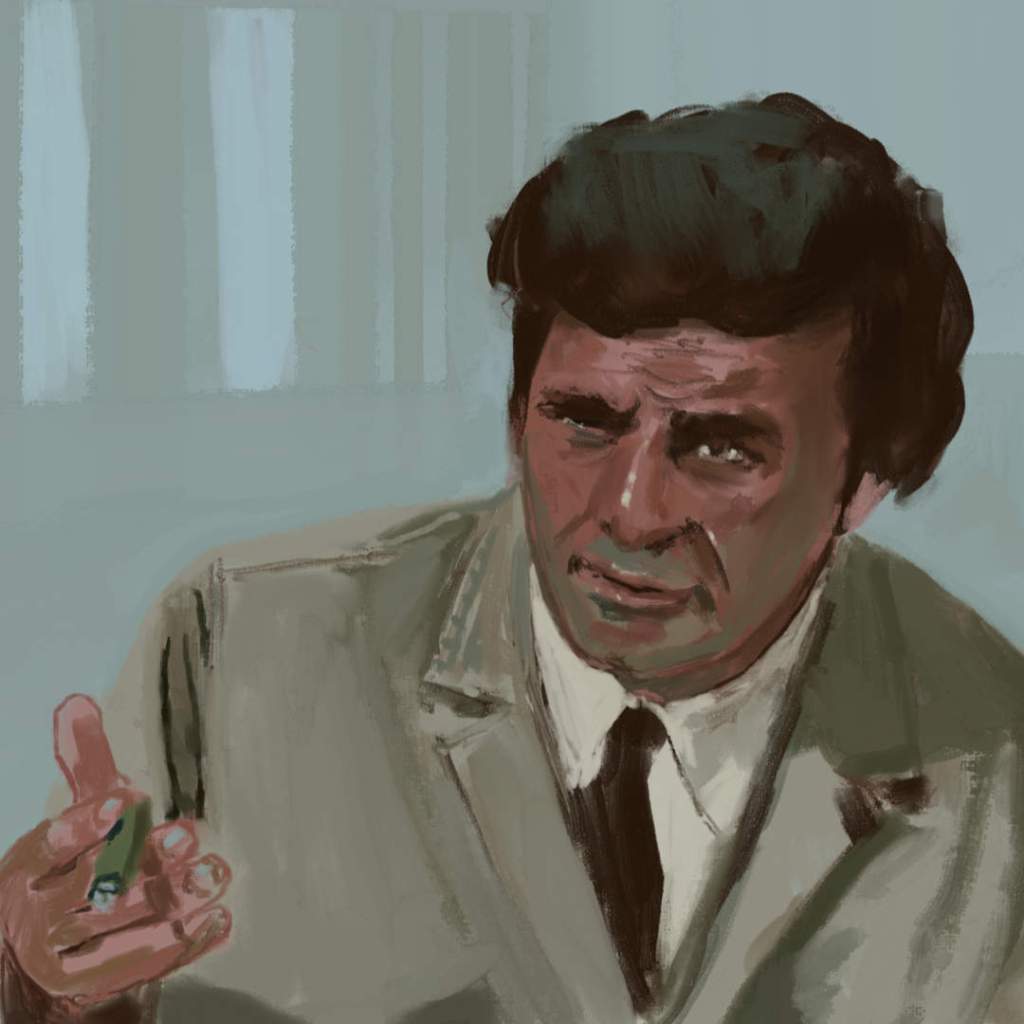
This has promise as a hobby because it’s so absorbing and so pointless, although even now I’m thinking about how this means I might be able to create the cover for my next collection of stories.
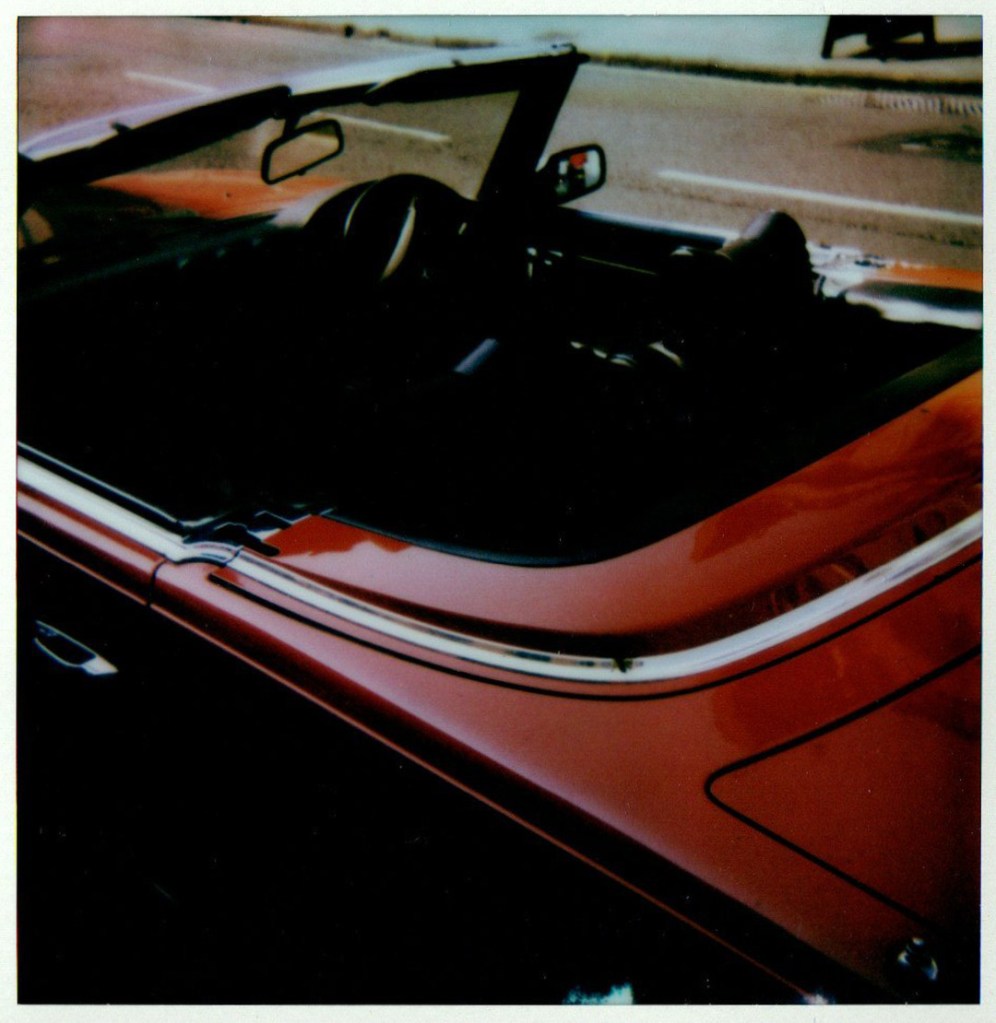
I’ve also been out with my Polaroid camera taking pictures like this, forcing myself to use the precious film, just for the sake of seeing and connecting with the world in a different way.


One reply on “Reading, thinking, doing August 2026”
I’m in your blog post! That’s a very kind mention, although I’m not sure about “getting things done” as we haven’t yet actually followed up on those (nultiple) solar shading plans. Still, any time before next summer is still good…
LikeLike